Pizza Place Cheyenne Restaurants Serving Classic Comfort
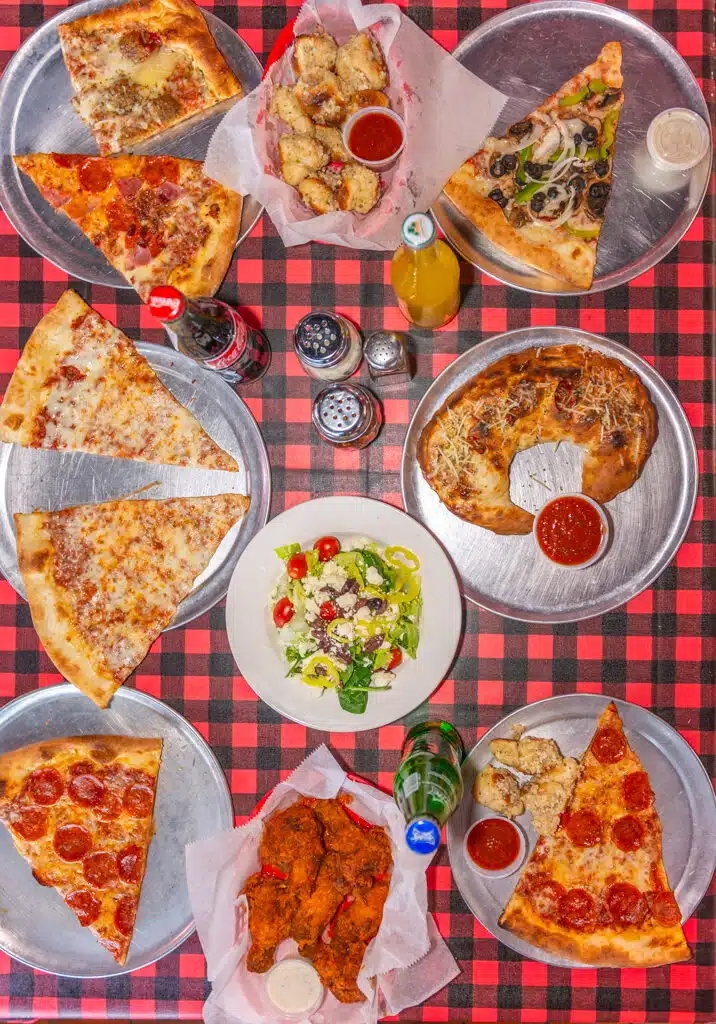
Cheyenne has always struck me as the kind of city where comfort food still means something specific. People want a meal that feels earned. They want a booth instead of a concept, a hot pie instead of a tiny tasting plate, and a place that understands dinner is not a performance. That is why the phrase pizza place Cheyenne carries more weight than it might in a larger market. It suggests more than a menu category. It points to a style of restaurant that knows how to feed families, welcome regulars, and deliver the sort of dependable pleasure that keeps a dining room busy on a Tuesday as well as a Friday night.
Classic pizza has never needed much reinvention to stay relevant. In a town like Cheyenne, where weather can turn sharp and schedules often run practical rather than leisurely, a good pizza place succeeds by getting the fundamentals right. The crust needs structure. The cheese needs to melt evenly, not slide off in a single sheet. The sauce needs enough acidity to cut through richness. The room should feel relaxed, not overly curated. You can tell a lot about a restaurant by how it handles those basics.
That may sound simple, but simple food is rarely easy. Pizza exposes every shortcut. Underproofed dough tastes flat. Cheap toppings weep water into the cheese. Ovens that are not calibrated well leave a pale center or a crust that burns before the pie is done. The best restaurants serving this style of comfort know that consistency is their real signature. Customers do not come back because one slice looked good on social media. They come back because the pizza was just as satisfying the third time as it was the first.
Why pizza still anchors the comfort food category
When people talk about comfort food, they often drift toward nostalgia. There is some truth in that, but nostalgia alone does not keep a restaurant healthy. Pizza remains central because it solves practical problems without feeling utilitarian. It suits groups. It scales well for one person or ten. It can be casual enough for a quick weeknight meal and generous enough for a birthday table filled with kids, grandparents, and someone who arrived late from work.
That flexibility matters in Cheyenne. Restaurants that thrive here often understand the local rhythm. Diners may arrive hungry and tired, not looking to decode a menu. They want recognizable options, fair portions, and food that reaches the table hot. Pizza delivers all three, provided the kitchen respects the details.
The best comfort restaurants also know that familiarity should not mean laziness. A plain cheese pizza, for example, is not a lesser order. It is a test. Without heavy toppings to distract from flaws, the dough, sauce, and cheese have nowhere to hide. If a restaurant can make a memorable cheese pie, its kitchen is usually worth trusting with the rest of the menu.
What people really look for in a pizza place Cheyenne diners will revisit
Price matters, of course, but value is the deeper issue. Most guests do not object to paying for quality if the quality is obvious. They notice when the sausage tastes seasoned rather than generic. They notice when the vegetables are cut fresh and not dumped from a bulk container. They notice whether the crust has chew and character or simply acts as a delivery system for toppings.
Atmosphere plays a quiet but important role. A true neighborhood pizza restaurant does not need expensive finishes or dramatic lighting. What it needs is ease. Families should be able to settle in without feeling rushed. Staff should know how to move briskly without making the room feel tense. A pizza place earns trust through dozens of small signals, the water refilled without asking, the timing between appetizers and pies, the server who knows when to offer another napkin and when to let the table be.
Takeout and delivery have changed expectations too. A strong dine-in experience no longer guarantees a strong business if the restaurant cannot package food well. Pizza is forgiving compared with some dishes, but only up to a point. Steam trapped in the box softens the crust. Thin slices slide if they are not cut cleanly. Side sauces leak. Any restaurant serious about repeat business now has to think beyond the oven and into the last ten minutes before the meal reaches the customer.
The anatomy of classic comfort pizza
The phrase "classic comfort" gets used loosely, but in pizza it has a clear meaning. It starts with dough that balances tenderness and resilience. Some diners prefer a thinner crust, others a thicker pan style, but both should taste developed rather than raw or bland. Good dough has a mild fermented character, not an aggressive sour note unless that is the restaurant’s specific style.
Sauce should support, not dominate. One common mistake in casual pizza is over-saucing, often done to create the impression of abundance. In practice, too much sauce makes the center soggy and washes out the flavor of the cheese. Better kitchens use restraint. They spread enough to give the pie brightness and moisture while still allowing the dough to bake properly.
Cheese is where comfort becomes emotional. People remember the stretch, the browning, the way the top bubbles and settles. But good pizza cheese work is less about spectacle than balance. A blend can add complexity, yet a blend only works if the moisture content is managed. Too oily and the pie tastes heavy. Too lean and it feels skimpy. Restaurants that understand this often have a calmer confidence about them. They know they do not need gimmicks.
Then come toppings, which reveal a restaurant’s priorities. Pepperoni is the obvious benchmark because its behavior in the oven tells a story. Good pepperoni cups slightly, renders enough fat to season the surface, and develops crisp edges without turning leathery. Mushrooms should release moisture but still hold shape. Onions should soften without disappearing. Even a familiar combination can become excellent when each component is treated with care.
The room matters more than many owners admit
Food writers sometimes overcorrect and pretend service and setting are separate from taste. They are not. A pizza eaten in a room that feels neglected rarely lands with the same satisfaction as an equally good pie served in a place with warmth and order. This is especially true for restaurants built around classic comfort.
A strong pizza dining room does not need to be trendy. It pizza place cheyenne needs to feel lived in, but not worn down. There is a difference. Booths can show age if they are clean and maintained. Floors can carry the marks of traffic if they are clearly cared for. The best pizzerias often feel broken in rather than polished, the way a favorite leather jacket does.
Music volume is another detail owners often miss. If families have to lean across the table and raise their voices, the restaurant has misunderstood its purpose. Pizza is social food. The room should support conversation. Lighting should make the pie look appetizing, but it should also let people read the menu without using a phone flashlight. That sounds obvious, yet restaurants miss it all the time.
Service style matters too. In comfort-oriented restaurants, guests generally appreciate attentiveness without theater. They want a server who knows the menu, can steer them away from over-ordering, and understands pacing. A good pizza server can read a table within minutes. Are these parents with two hungry children who need fast appetizers? Is this a couple splitting a salad and one medium pie? Is this a group of teenagers likely to need extra ranch, extra plates, and another pitcher before anyone asks? Those small judgments shape the meal.
How Cheyenne’s dining habits shape pizza expectations
Every city teaches restaurants how to serve it. Cheyenne tends to reward straightforward hospitality and reliable execution. Diners often prefer places that feel grounded, not over-designed. That does not mean they reject creativity. It means creativity has to earn its place. A roasted garlic topping or a house-made sausage can impress. A pizza topped with ingredients chosen mainly for novelty usually wears out its welcome quickly.
Weather also affects the category more than people realize. On cold evenings, heartier pies and baked sides sell well because they fit the mood. During warmer months, diners may lean toward lighter combinations, crisper salads, and patio service if a restaurant offers it. The restaurants that stay busy year-round know how to shift emphasis without abandoning identity.
There is also the matter of group dining. In many mid-sized cities, pizza continues to serve as one of the safest choices for mixed company. It works after youth sports, during casual business meals, and for families with competing preferences. A restaurant that can handle those groups smoothly gains a practical edge over places that rely on a narrower audience.
Signs of a pizza restaurant that takes its craft seriously
You can often tell within one visit whether a restaurant is disciplined. Some clues are subtle, others immediate. The strongest signs usually appear before the first bite.
- The menu is focused enough that the kitchen can execute it consistently.
- The crust has visible color on the bottom, not just on the cheese.
- Toppings are distributed evenly, so every slice eats like it belongs to the same pie.
- The staff can explain house specialties without sounding scripted.
- Boxes, takeout bags, and condiments are organized for the trip home, not treated as an afterthought.
None of these details guarantee greatness, but together they indicate a restaurant that thinks operationally. That matters because pizza is a high-volume food. The dinner rush exposes weak systems almost immediately. A kitchen that can maintain quality while the printer keeps spitting tickets is usually one worth supporting.
The trade-offs between style, speed, and consistency
Diners sometimes talk about pizza as though all good versions pursue the same goal. They do not. A hand-tossed pie with a moderate bake behaves differently from a pan pizza, and both differ from a very thin, high-heat style. Each brings strengths and compromises.
A thicker crust offers warmth, chew, and staying power. It also risks heaviness if the dough is underbaked or overloaded. A thin crust can deliver crispness and sharper flavor contrast, but it cools faster and can become brittle if the dough lacks elasticity. A heavily topped pizza looks generous, yet too much weight suppresses the crust and muddies the flavor. Restraint often produces a better slice, even if it appears less dramatic at first glance.
This is where experienced restaurants separate themselves from enthusiastic but inconsistent ones. Judgment matters more than abundance. The goal is not to pile on ingredients until the pie bows under pressure. The goal is balance, where sauce, cheese, toppings, and crust arrive at the same moment in the bite.
That same principle applies to timing. Faster is not always better. A restaurant rushing pies out of the oven can ruin a meal just as surely as a restaurant running late. Dough needs its bake. Cheese needs a moment to set. A pie cut too quickly loses structure. Good kitchens know when to push and when to wait the extra minute.
Ordering well when the table has mixed tastes
One of pizza’s strengths is how well it handles compromise, but groups still order poorly all the time. They choose one giant pie that satisfies nobody, or they ignore how different toppings affect texture and end up with a wet, overloaded center. A little strategy goes a long way.
For a family or mixed group, I usually recommend choosing one familiar pie that anchors the table and one pie that stretches slightly beyond default habits. That might mean a classic pepperoni or sausage paired with a vegetable-forward option, or a cheese pie alongside something with a little heat. This avoids the common problem where one adventurous order goes mostly untouched while everyone gravitates toward the safe choice.
Appetizers also deserve some thought. In a good comfort-oriented restaurant, starters should bridge the wait without killing appetite. Garlic bread, wings, or a straightforward salad can work well, but only if portions and pacing are under control. A kitchen that sends a giant appetizer five minutes before two pizzas arrive has not done the table any favors.
For takeout, the decision changes slightly. Pies with lighter topping loads tend to travel better. Extremely thin crust cools fast, and heavily sauced combinations steam inside the box. If you know the drive home will take twenty minutes, order with travel in mind, not just in-the-moment craving.
A practical way to choose the right place for the occasion
Not every pizza outing asks for the same restaurant. The best choice depends on why you are going, who is with you, and whether the meal needs to travel. That sounds obvious, but many disappointments come from mismatched expectations rather than bad food.
- For families with young children, prioritize spacious seating, quick ticket times, and a forgiving menu.
- For a casual date, look for stronger salads, a thoughtful beer or wine list, and a dining room where conversation is easy.
- For takeout, favor restaurants known for packaging and consistency over those that rely on dine-in atmosphere.
- For larger groups, choose places with disciplined service and flexible pie sizes rather than highly customized formats.
- For pure comfort on a cold evening, a restaurant with baked pastas, soups, or hearty sides can satisfy better than pizza alone.
That kind of matching process sounds almost too practical to mention, yet it reflects how experienced diners actually think. A pizza place does not need to be everything to everyone. It needs to know its strengths and deliver on them clearly.
Why classic restaurants keep outlasting trend cycles
Food trends come and go, but pizza built around comfort rarely leaves. The reason is not mysterious. It meets people where they are. After a long workday, after a school event, after a windy afternoon that leaves everyone more tired than expected, many diners want something recognizable and generous. They want a meal that lowers the temperature of the day.
Restaurants that understand this do not chase novelty for its own sake. They improve dough handling, refine sauce recipes, and train servers to manage busy shifts. They might add a seasonal topping or update a dessert, but they keep the center of gravity steady. That steadiness builds trust, and trust is still the most durable asset any restaurant can own.
The phrase pizza place Cheyenne works because it implies that sort of dependability. It evokes the restaurant where the booths fill up early on weekends, where kids know exactly what they want, where adults can count on a pie that tastes the way pizza should taste. It suggests a place that serves classic comfort without apology.
That is a harder thing to achieve than many operators admit. Comfort food only feels effortless when someone has done the work behind the scenes. Dough has to be mixed on schedule. Prep has to be tight. Oven management has to stay sharp through the rush. Staff have to care about the fiftieth pizza as much as the fifth. When all of that happens, the result looks simple from the dining room, and that is exactly the point.
A strong local pizza restaurant does not need to lecture diners about authenticity or overwhelm them with options. It needs to offer food with clear intent and consistent execution. In Cheyenne, that formula still resonates because it aligns with how many people actually want to eat. They want warmth, value, and a meal that brings everyone to the table without complications.
That is the enduring appeal of classic pizza comfort. It is not flashy, and it does not need to be. When the crust is right, the sauce is balanced, the cheese browns just enough, and the room feels welcoming, a pizza dinner accomplishes something rare. It satisfies hunger, yes, but it also creates ease. For many diners, that is the whole reason to go out in the first place.
Ruffrano's Hell's Kitchen Pizza Cheyenne
Address: 1670 E Cheyenne Mountain Blvd, Colorado Springs, CO 80906
Phone number: +17195764355
FAQ About Pizza Place Cheyenne
What's the most popular pizza place?
The "most popular" pizza place depends on whether you measure by location count, total sales, or customer favorite status.
What is the 2 pizza rule?
The two-pizza rule is a management principle made popular by Amazon founder Jeff Bezos. It states that a team or meeting should never be larger than what can be fed with two large pizzas—typically translating to a group of 5 to 10 people (or roughly 6 to 12 people depending on appetites).
Is 2 pizzas enough for 10 people?
No, 2 pizzas are usually not enough for 10 people.